Product Description
Standard road safety speed breaker specifications are governed internationally by municipal codes and nationally by entities like the
Indian Roads Congress (IRC:99) to ensure vehicular speed control
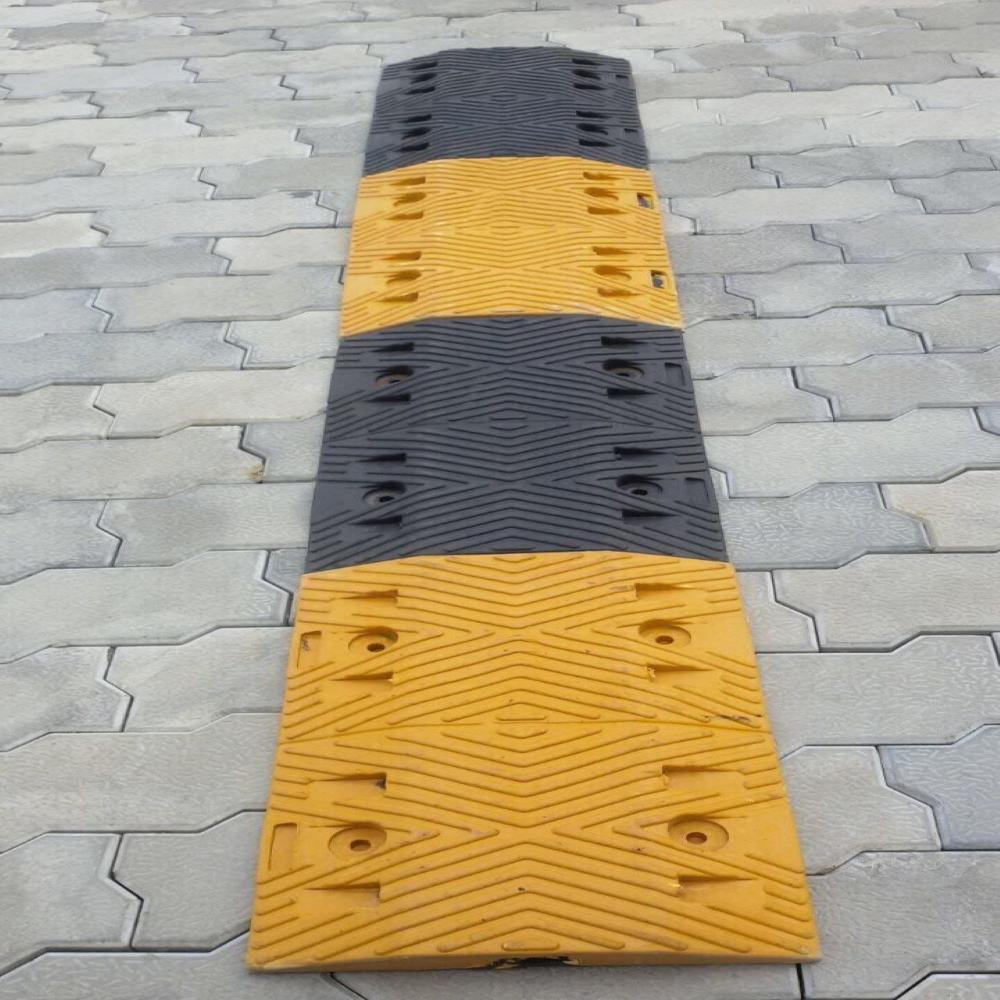
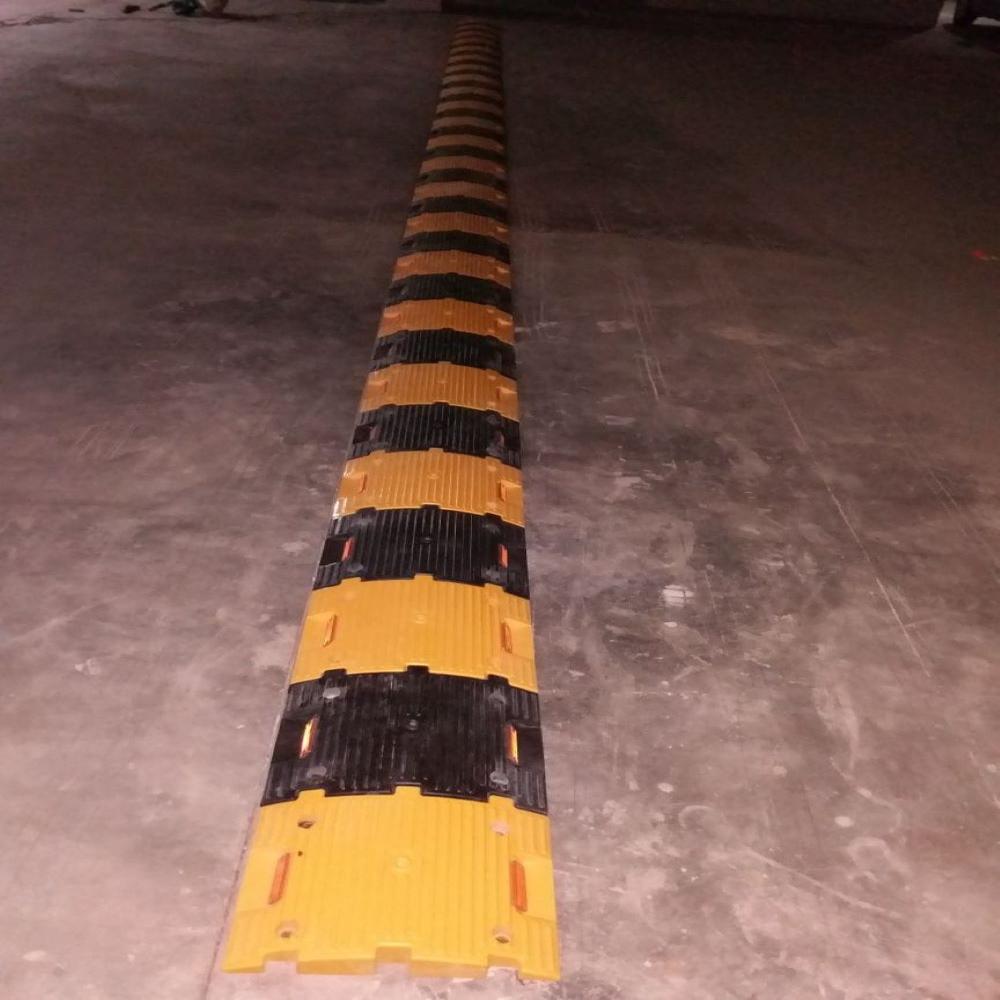
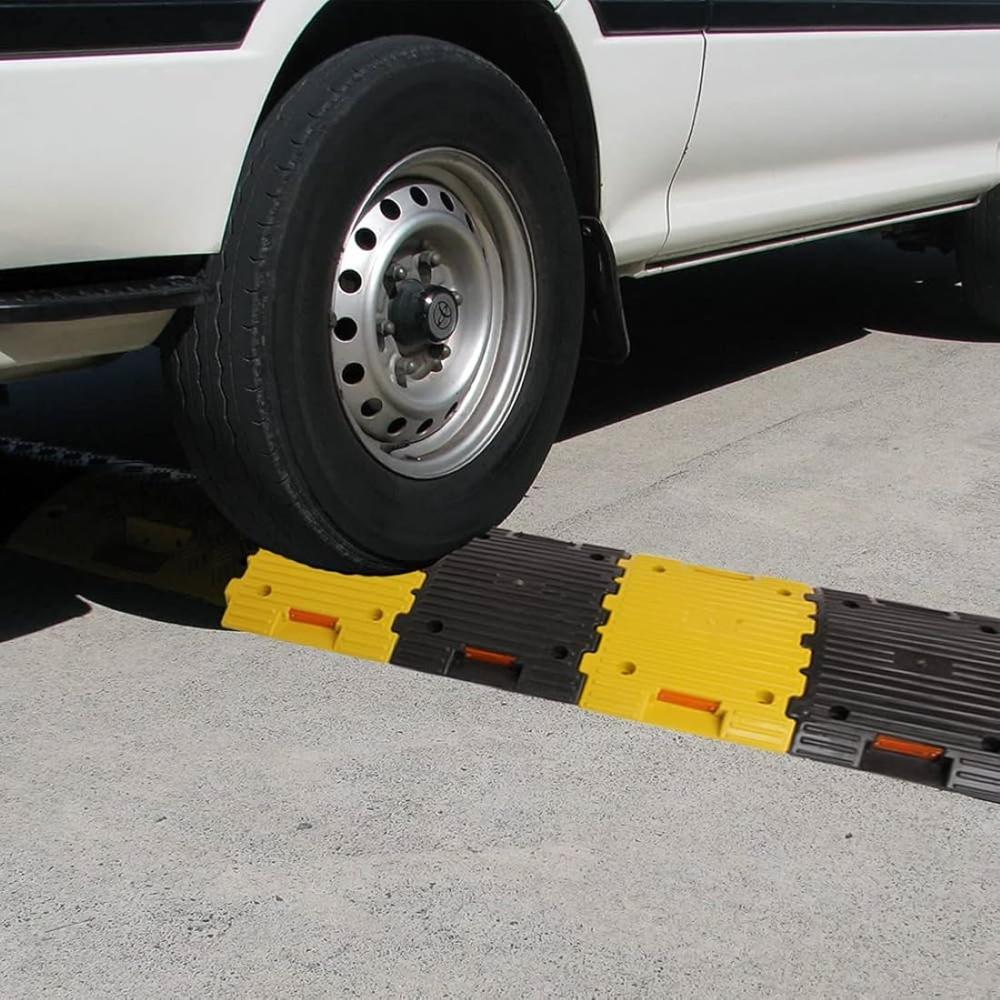
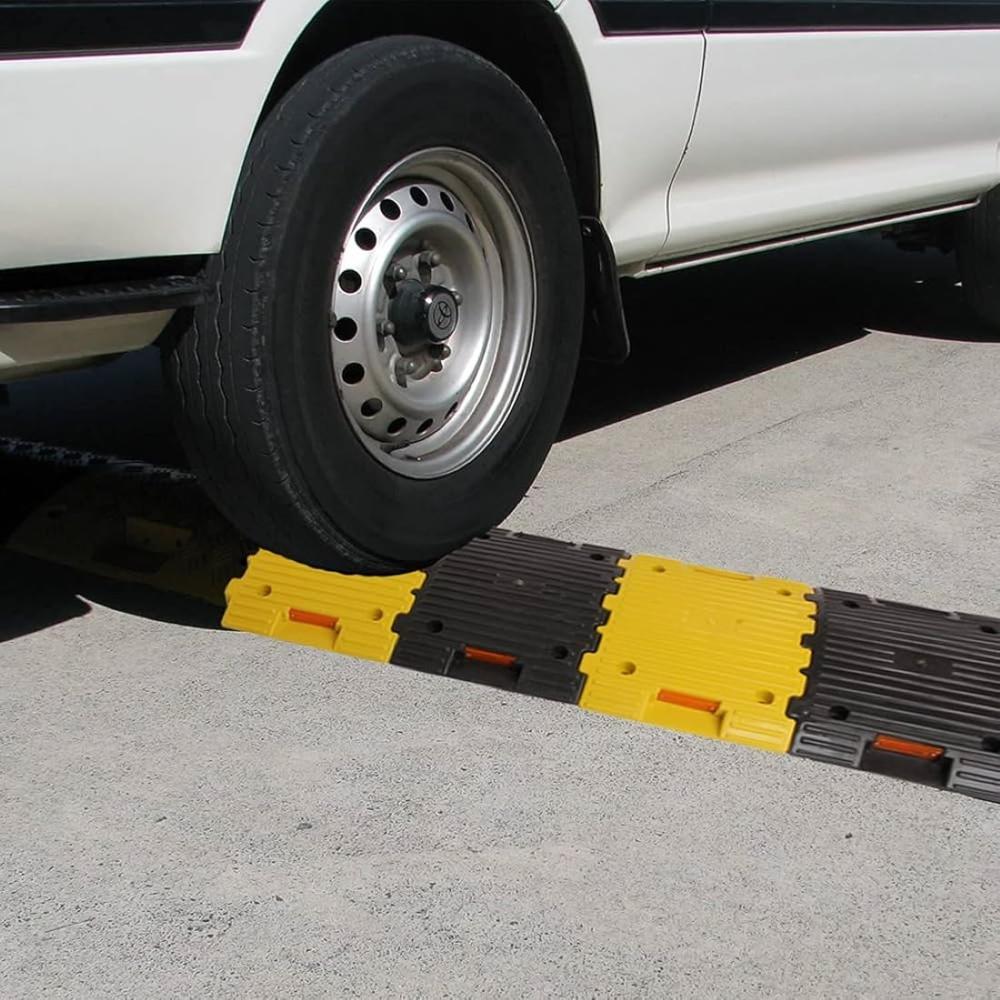
without causing vehicular damage or driver disorientation. A standard speed breaker is designed as a
rounded hump surface across the roadway, engineered specifically for a preferred crossing speed of
20 to 25 km/h Physical Dimensions
- Width (Length of Travel): 3.7 metres spread across the driving direction to ensure it is wider than the average vehicle wheelbase.
- Central Height: Exactly 10 cm (100 mm) at the highest apex of the curvature.
- Shape: A parabolic or rounded curvature with an ideal radius of 17 metres.
- Heavy Vehicle Ramps: Roads with high bus or truck traffic must include 1.5-metre-wide side ramps with a 1:20 slope gradient Placement Restraints
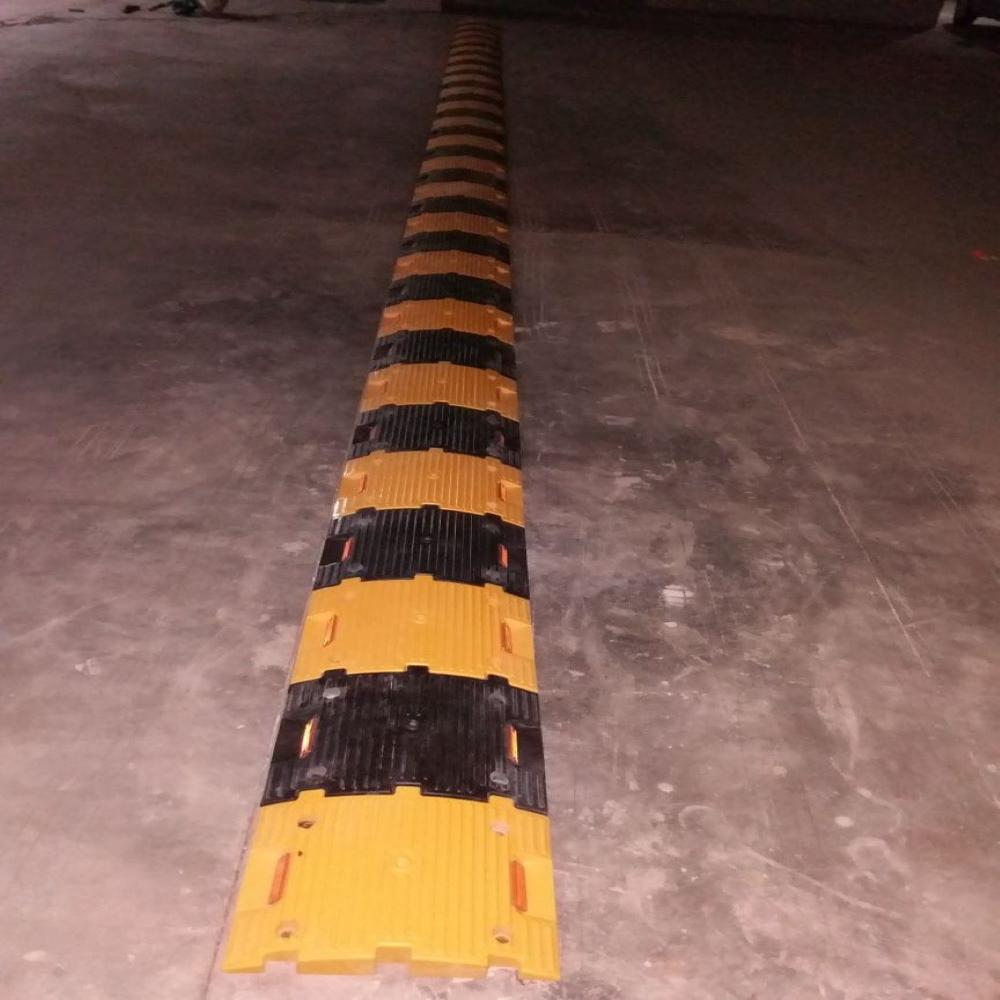
- Spacing: If a sequence of speed breakers is required to maintain a low-speed zone, they should be placed 100 to 120 metres apart center-to-center.
- Intersections: At T-intersections, speed breakers must be installed on the minor road, precisely 10 metres away from the inner edge of the major intersecting road









 Send Inquiry






 Send Inquiry